Do you have these personality traits to become a senior caregiver?
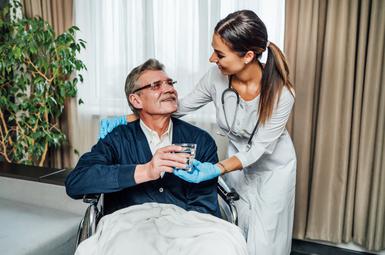
Embarking on a career in senior caregiving requires more than just professional qualifications; it demands a unique set of personal traits to navigate the physical and emotional challenges of the job. In this article, we will explore the key personality traits that every aspiring senior caregiver should possess to ensure success and fulfillment in this growing industry.
Compassion
Compassion stands as a cornerstone trait for any caregiver. The ability to empathize with the elderly and understand their experiences is crucial for providing effective and compassionate care. Without genuine compassion, it becomes challenging to connect with and support those in need.
Reliability and Trustworthiness
Senior caregivers often have access to personal information and the intimate lives of those they care for. Being reliable and trustworthy is paramount to building trust with the individuals under your care. Honesty and maintaining confidentiality are essential for establishing a strong and respectful caregiver-patient relationship.
Communication Skills
Effective communication is vital, especially when working with elderly patients who may have hearing impairments or memory issues. Caregivers must be skilled listeners, adapting their communication style to the unique needs of each individual. Patience and the ability to convey information clearly and concisely are key components of this trait.
Great Observation Skills
As the primary caretaker, senior caregivers need keen observational skills to detect any abnormal changes in their patients. Being attentive allows caregivers to report changes promptly, potentially preventing the progression of illnesses. Observation involves monitoring skin color, facial expressions, behavior, and eating patterns, providing a holistic approach to patient care.
Flexibility
Flexibility is crucial for senior caregivers, as the nature of the job may require adjustments to schedules and tasks. Some seniors need constant supervision, and caregivers must be adaptable to changes in the work environment. Flexibility allows caregivers to manage their time effectively and ensures a seamless transition between shifts.
Patience
Patience is not just a virtue but a necessity in senior caregiving. Dealing with elderly individuals who may forget instructions or require repetitive explanations demands a high level of patience. Caregivers must remain composed, calmly repeating instructions and providing assistance without frustration, creating a relaxed and supportive living environment.
Embarking on a career as a senior caregiver is not merely a job; it is a commitment to providing compassionate and attentive care to those who need it the most. Possessing traits such as compassion, reliability, effective communication, keen observation, flexibility, and patience ensures that caregivers can navigate the unique challenges of the role, fostering a positive impact on the lives of the elderly individuals they serve.