Dry Eye Disease (DED), also known as dry eye syndrome
Dry Eye Disease (DED), also known as dry eye syndrome, is a prevalent condition affecting a significant portion of the population, characterized by insufficient lubrication and moisture on the eye's surface. This condition can lead to discomfort, visual disturbances, and if untreated, potentially severe eye damage. The recent surge in digital device usage and environmental changes has escalated the incidence rates, making DED a topic of growing concern and research interest.
Causes and Risk Factors
Recent studies elucidate that DED is a multifactorial disease influenced by a blend of environmental, physiological, and lifestyle factors. Key findings highlight that:
- Environmental Conditions: Exposure to dry, windy climates, and pollutants has been directly linked to increased DED occurrences.
- Aging and Hormonal Changes: Age-related decline in tear production and hormonal imbalances, particularly in postmenopausal women, play significant roles in DED prevalence.
- Digital Screen Usage: The digital era has ushered in extended screen time, which reduces blink rates and contributes to tear film evaporation, a primary cause of DED.
Symptoms of DED
Symptoms of DED have been consistently reported to include:
- Persistent dryness, scratchiness, and a burning sensation in the eyes.
- Sensitivity to light, blurred vision, and increased eye fatigue.
- A feeling of having something "gritty" in the eyes.
Diagnostic Approaches
Innovative diagnostic technologies and methodologies have been developed, focusing on more accurate and early detection of DED.
Treatment Modalities
The treatment landscape for DED has expanded, incorporating both established and novel approaches tailored to the severity and underlying causes of the condition:
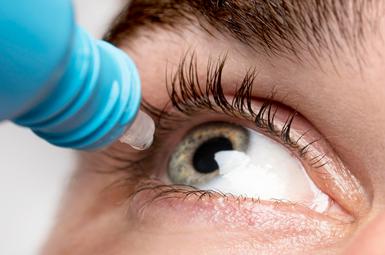
- Lubricating Eye Drops: The cornerstone of DED management, with newer formulations minimizing preservatives that could potentially irritate the ocular surface.
- Anti-inflammatory Therapies: Emphasizes the importance of anti-inflammatory agents, including corticosteroids and cyclosporine eye drops, in treating DED by addressing the underlying inflammation.
- Surgical Interventions: For severe cases, surgical options such as punctal plugs to block tear drainage have been refined, improving symptom management and quality of life.
- Lifestyle Modifications: Patients are advised to reduce digital screen time, use humidifiers, and follow dietary recommendations rich in omega-3 fatty acids.
Future Directions
Emerging treatments focusing on the root causes of DED, such as tear film stabilization, immunomodulatory therapies, and regenerative medicine, offer promising avenues for more effective management of DED. Research into the role of the microbiome and its impact on ocular health is also underway, potentially unlocking new therapeutic targets.
Dry Eye Disease remains a complex, multifaceted condition with significant impacts on individuals' daily lives and well-being. Considerable advancements in understanding the pathophysiology, diagnosis, and management of DED continue to unfold. Continuous research and innovation are essential to develop more effective treatments, improving the quality of life for those affected by this prevalent condition.