How to Become a Plumber
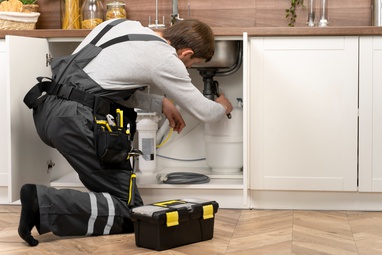
Embarking on a trade career can open doors to a fulfilling profession, and plumbing is no exception. If you relish problem-solving, enjoy hands-on work, and desire to contribute to the integrity of homes and offices, a career as a plumber might be your calling. In this comprehensive guide, we delve into the duties of a plumber, the path to becoming one, and answer frequently asked questions about this vital profession.
What does a plumber do?
Plumbers play a pivotal role in installing, repairing, and maintaining water and gas supplies, heating systems, sanitation units, and related fixtures in both residential and commercial settings. Their responsibilities encompass:
- Assessing and repairing plumbing issues in homes and businesses.
- Providing accurate repair estimates to clients.
- Troubleshooting problems and recommending long-term solutions.
- Designing plumbing systems in adherence to codes and regulations.
- Installing pipes, fixtures, and appliances.
- Utilizing specialized equipment for diagnostics.
- Ensuring compliance with all regulations and codes.
Average salary of a plumber
The average salary of a plumber varies based on factors such as experience, education, and location. Currently, the average hourly wage stands at $28.49, with a range of $22 to $32 per hour, depending on experience.
How to become a plumber
- High School Diploma or GED: Obtain a high school diploma or GED, ensuring a strong foundation in subjects like science, technology, computers, and math.
- Vocational Training: Enroll in accredited technical colleges or trade schools offering plumbing vocational classes to gain certification in drainage systems and water usage.
- Plumbing Apprenticeship: Complete a plumbing apprenticeship involving on-the-job training, classroom hours, and learning about codes and procedures.
- Licensing: Many states require plumbers to be licensed, involving a combination of classroom instruction, hands-on experience, and apprenticeship completion.
- Gain Experience: After obtaining a license, continue gaining experience and consider additional classes to advance skills and potentially become a master plumber.
Frequently Asked Questions about Plumbing
Is plumbing a vital job? Yes, plumbers are essential for maintaining the plumbing of residences and businesses, ensuring a steady flow of work and clients.
Do you need financial aid for vocational school? While vocational schools are generally more affordable, financial aid availability depends on your financial status and the school you plan to attend.
Does this trade include opportunities for advancement? Absolutely. Plumbers can advance from apprentices to licensed plumbers and further acquire specialty licenses, leading to roles like journeyman plumber or master plumber, resulting in increased earning potential.
Can plumbers start businesses themselves? Yes, the career path of a plumber offers flexibility. Some may choose to work for companies, while others venture into starting their own businesses based on personal preferences, skills, and career goals.
Embarking on a career as a plumber promises not only financial stability but also the satisfaction of contributing to the smooth functioning of essential systems in our daily lives. Whether you're starting your educational journey or considering a career switch, plumbing offers a dynamic and rewarding path.