In the Know: 8 Key Roof Repairs Every Homeowner Should Recognize
Having a sturdy roof that can withstand all weather conditions is important. Typically, a good roofing structure lasts for anywhere between 15 and 30 years, depending on the quality and material. But sometimes, due to unforeseen circumstances or wear and tear, your roof may need replacement or repair. In such times, it is essential to know the major and minor types of roof repairs, so you can explain the problem easily to roof repair companies.
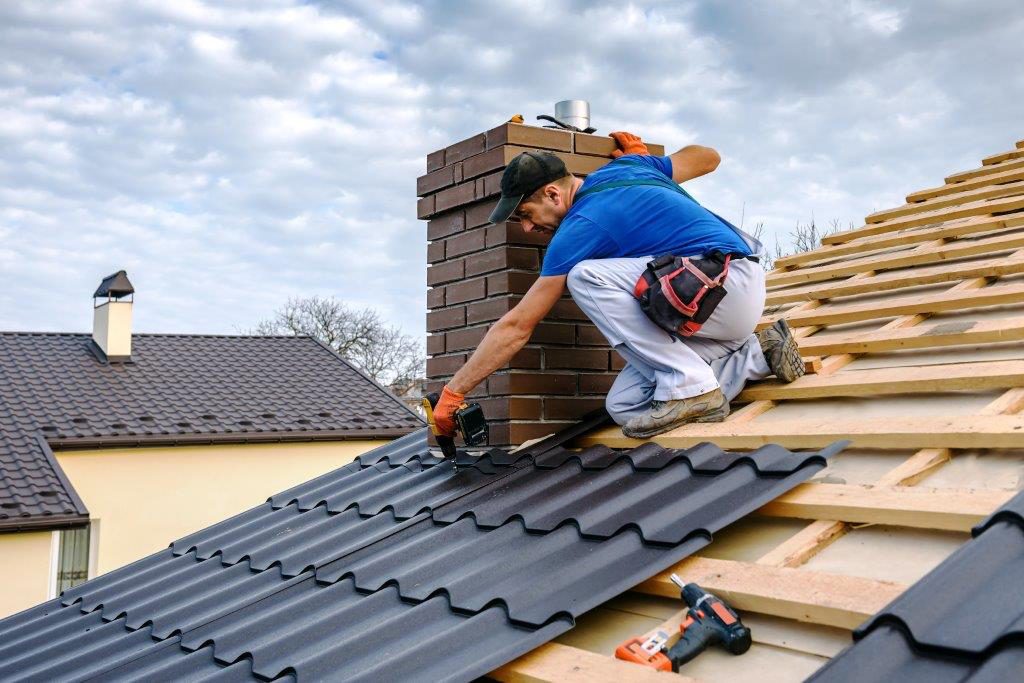
Shingle repairs
Shingle is a durable roofing material that protects your home from UV rays and strong winds. However, due to overtime damage for various reasons, your roof is likely to need one or more shingle repairs. Granule loss is a type of shingle repair that happens when tiles or shingles have deteriorated and lost a few granules, leaving some surfaces exposed. Blistering damage occurs when your roof becomes excessively heated, mainly because of poor ventilation. This can lead to lifted shingles that allow water to seep underneath. Soaring temperature causes splitting of tiles too. If you notice all kinds of shingle or tile damage, it’s best to get it repaired quickly, as a small damaged shingle can escalate into severe damage if not repaired immediately.
Flashing repairs
Professional roof repair experts use flashing in the form of zinc alloy or galvanized steel to keep water away from walls, chimneys, dormers, and any other place where the roof is vertical. Sometimes if this flashing is not mounted properly, goes missing, or wears out because of cheap material used, it can lead to leaks. Sometimes the rotting roof allows water to flow underneath. You must keep checking the flashing, and in case of damage, you will need professional help.
Gutter maintenance and repair
Gutters are very important for the roof. They drain the accumulated water from the roof and guide it away from home. The issue is that branches, leaves, dead insects, and debris can clog them, preventing water from escaping. That is why they need to be cleaned in spring and autumn. If the gutter is not maintained or repaired periodically, water accumulation can start to make the roof rot. In the worst-case scenario, the water’s weight can cause the gutter to collapse.
Leaks
While the majority of leaks are caused due to flashing, there are numerous other reasons. Commercial roofs are known to have many penetrations that go through the roofing membrane like drains, pipes, HVAC units, etc. After a while, all penetrations are susceptible to leaks. With the right pitch pans, rain collars, and flashing, you can fix roof leaks. Sometimes roof membranes can crack, blister, or puncture over time, causing leaks. If the damage is caught early, it can be repaired, but the membrane would need replacement if the damage is extensive.
Fascia replacement
The fascia protects the lower edges of the roof. It is a long wooden board mostly found behind the gutter and helps in supporting the roof. It is the first layer of protection against damage and hence highly susceptible to damage like an animal infestation, mold growth, cracks, holes, and water clogging. If your fascia has begun to rot or warp, you may need a professional’s help in getting that part replaced.
Pooled water
A lot of time, flat roofs end up collecting water pools. This can happen because of sun damage or a poorly installed drainage system. If the pooled water remains on the roof for a long time, it can lead to leaks and long-term damage. The solution is to form tapered areas over the surface so that the water does not get collected.
Shrinkage, cracks, and blisters
Roofs covered with EPDM, a type of synthetic rubber membrane, are particularly susceptible to shrinkage, which can cause deterioration and cracks in flashing. Cracks and blisters are common minor roof repairs that can develop around the ridges. However, the extent of damage depends on the type of roof installed. Build-up roofs that cover relatively flat surfaces are more susceptible to cracks and blisters.
Snow and ice damage
Prolonged ice and snow can cause excessive damage to the roof. When ice or snow melts, it seeps in the shingles and causes leaks. If the seeped water refreezes, it can lift the shingle, causing gaps and further damage. The only way to prevent excessive snow and ice damage is to have periodic inspection and maintenance before the start of the winter season.