Choosing the Best Solar Panels for Your Home: A Comprehensive Guide
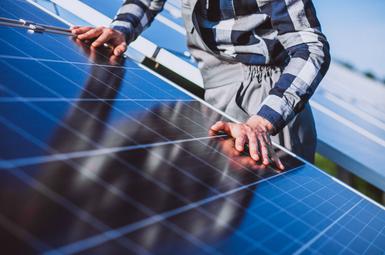
As the demand for renewable energy sources continues to rise, installing solar panels on residential properties has become an increasingly popular choice. However, with a multitude of solar panel options available, selecting the best one for your home can be a daunting task. This comprehensive guide aims to simplify the process and provide valuable insights into choosing the best solar panels to meet your specific needs.
Efficiency Matters: Solar panel efficiency is a crucial factor to consider. Efficiency measures how well a solar panel can convert sunlight into electricity. Higher efficiency panels generate more power in limited space and are ideal for homes with limited roof space. Monocrystalline solar panels typically offer higher efficiency compared to polycrystalline or thin-film options.
Type of Solar Panels:
- Monocrystalline Panels: Known for their high efficiency and sleek design, monocrystalline panels are a popular choice for residential installations. They perform well in limited space and have a longer lifespan.
- Polycrystalline Panels: These panels are cost-effective and slightly less efficient than monocrystalline panels. They are a suitable option for homeowners seeking a balance between efficiency and affordability.
- Thin-Film Panels: Thin-film panels are lightweight and flexible, making them suitable for unconventional installations. However, they generally have lower efficiency and may require more space.
Durability and Longevity: Investing in solar panels is a long-term commitment, so durability and longevity are essential considerations. Look for panels with a robust frame and a proven track record for durability in various weather conditions. Many reputable manufacturers offer warranties ranging from 25 to 30 years, providing peace of mind for homeowners.
Manufacturer Reputation: Choose solar panels from reputable manufacturers with a history of reliability and quality. Research customer reviews, industry certifications, and the manufacturer's track record for producing durable and efficient panels. Established manufacturers often provide better warranty support and customer service.
Cost vs. Performance: While cost is a significant factor, it should be balanced with performance and efficiency. Consider the long-term savings on energy bills and potential incentives or rebates when evaluating the overall cost-effectiveness of a solar panel system.
Solar Panel Certification: Look for solar panels that have obtained certification from recognized industry organizations. Certifications, such as the International Electrotechnical Commission (IEC) and Underwriters Laboratories (UL), ensure that the panels meet specific safety and performance standards.
Inverter Compatibility: The inverter is a crucial component of a solar panel system, converting the generated DC electricity into usable AC electricity. Ensure that the chosen solar panels are compatible with high-quality inverters to maximize energy production and system efficiency.
Aesthetics and Design: Consider the visual impact of solar panels on your home's aesthetics. Monocrystalline panels, with their sleek design, are often preferred for residential installations due to their modern and streamlined appearance.
Selecting the best solar panels for your home involves a careful consideration of efficiency, type, durability, manufacturer reputation, cost, certification, inverter compatibility, and design. By thoroughly researching and evaluating these factors, you can make an informed decision that aligns with your energy goals, budget, and aesthetic preferences. Remember, investing in high-quality solar panels is an investment in a sustainable and energy-efficient future for your home.