Portable Medical Devices Transforming Healthcare
Portable Ultrasound Devices: Ultrasound devices, once massive machines, have evolved into handheld devices the size of a smartphone, weighing no more than a pound. While slightly compromising on accuracy, these portable imaging devices offer color flow mapping, echoscopy, and echocardiography. They contribute to better patient management by eliminating the need for a visit to a healthcare center for minor ultrasound scans.
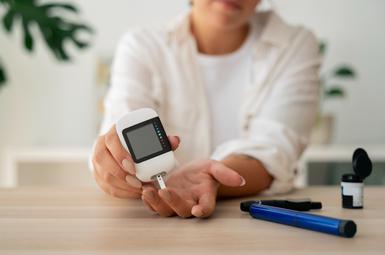
Blood Analyzers: Compact enough to fit into a bag, portable blood analyzers may not match the extensive capabilities of traditional analyzers. However, they play a crucial role for physicians in monitoring a patient's vital functions on the go. These devices can measure essential parameters such as pulse rate, oxygen saturation levels, hematocrit, and hemoglobin levels. Equipped with a ring-like sensor that fits on the patient's finger, the analyzer connects to a small LCD screen displaying various blood vital signs.
Portable ECG Devices: Considering the prevalence of cardiovascular issues, having a portable device for heart health monitoring at home makes sense. Pocket-sized electrocardiogram (ECG) devices analyze heart health through sensors and can even transmit data to a smartphone. These portable ECG devices can detect everything from normal heart rhythms to fibrillation, bradycardia, and tachycardia in less than a minute.
Portable Glucometers: One of the earliest portable medical devices, glucometers have advanced to sync with smartphones, simplifying blood sugar monitoring. These devices come with a test strip where patients apply a few drops of blood. The strip is then inserted into the device, which measures and displays the blood sugar level on the screen. The data is transmitted via Bluetooth to the synced smartphone.