Walking for Seniors: Unlocking Health Benefits and Tips to Get Started
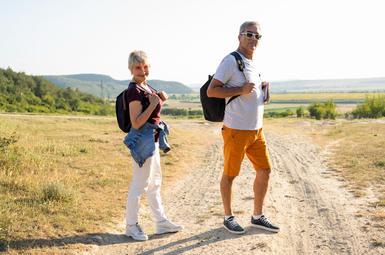
In recent years, the simple act of walking has gained recognition as a powerful tool for promoting health, particularly among seniors. With numerous benefits ranging from improved cardiovascular health to enhanced mental well-being, walking proves to be a low-impact and accessible exercise for individuals of all ages. This article explores the various advantages of walking for seniors and provides practical tips to help them embark on this journey towards a healthier and more active lifestyle.
Benefits of Walking for Seniors:
- Cardiovascular Health: Walking is a fantastic way to enhance cardiovascular health. It helps improve circulation, lower blood pressure, and reduce the risk of heart disease. Regular walking has been linked to a decreased likelihood of experiencing cardiovascular issues, making it an excellent choice for seniors looking to maintain a healthy heart.
- Joint Health and Mobility: Unlike high-impact exercises, walking is gentle on the joints, making it an ideal option for seniors. It helps maintain joint flexibility, alleviates stiffness, and contributes to better overall mobility. This is especially crucial for older individuals who may be dealing with arthritis or other joint-related issues.
- Weight Management: Walking plays a key role in managing body weight. For seniors looking to maintain or lose weight, incorporating regular walks into their routine can contribute to burning calories and improving metabolism. It's an effective yet low-intensity way to support weight management goals.
- Mental Well-being: The mental health benefits of walking are significant. Engaging in regular walks can reduce stress, anxiety, and depression. The rhythmic and repetitive nature of walking has a calming effect on the mind, promoting mental clarity and a sense of well-being.
- Social Interaction: Walking provides an excellent opportunity for social interaction. Seniors can join walking groups, participate in community events, or simply enjoy a stroll with friends and family. The social aspect of walking contributes to a sense of community and combats feelings of isolation.
Getting Started with Walking:
- Consult with a Healthcare Professional: Before starting any new exercise routine, it's advisable for seniors to consult with their healthcare provider. A professional can offer personalized advice based on individual health conditions and ensure that walking is a safe and beneficial activity.
- Choose Comfortable Footwear: Wearing comfortable and supportive footwear is crucial for a successful walking routine. Invest in shoes that provide proper arch support and cushioning to minimize the risk of discomfort or injury.
- Start Slow and Gradual: For beginners or those returning to exercise, it's essential to start slow and gradually increase the intensity and duration of walks. Begin with shorter sessions and gradually extend the time as endurance improves.
- Warm-Up and Cool Down: Incorporate warm-up and cool-down stretches into each walking session. This helps prepare the muscles for activity and aids in preventing injuries.
- Stay Hydrated: Maintain proper hydration, especially during longer walks. Bring a water bottle and take regular sips to stay refreshed and support overall well-being.
Walking is a versatile and accessible form of exercise that holds numerous benefits for seniors. From promoting cardiovascular health to enhancing mental well-being, the advantages are plentiful. By following the provided tips and incorporating walking into their routine, seniors can enjoy a healthier, more active lifestyle, reaping the rewards of this simple yet powerful activity.